An embedded, driverless hardware solution advancing digital accessibility and energy sobriety.
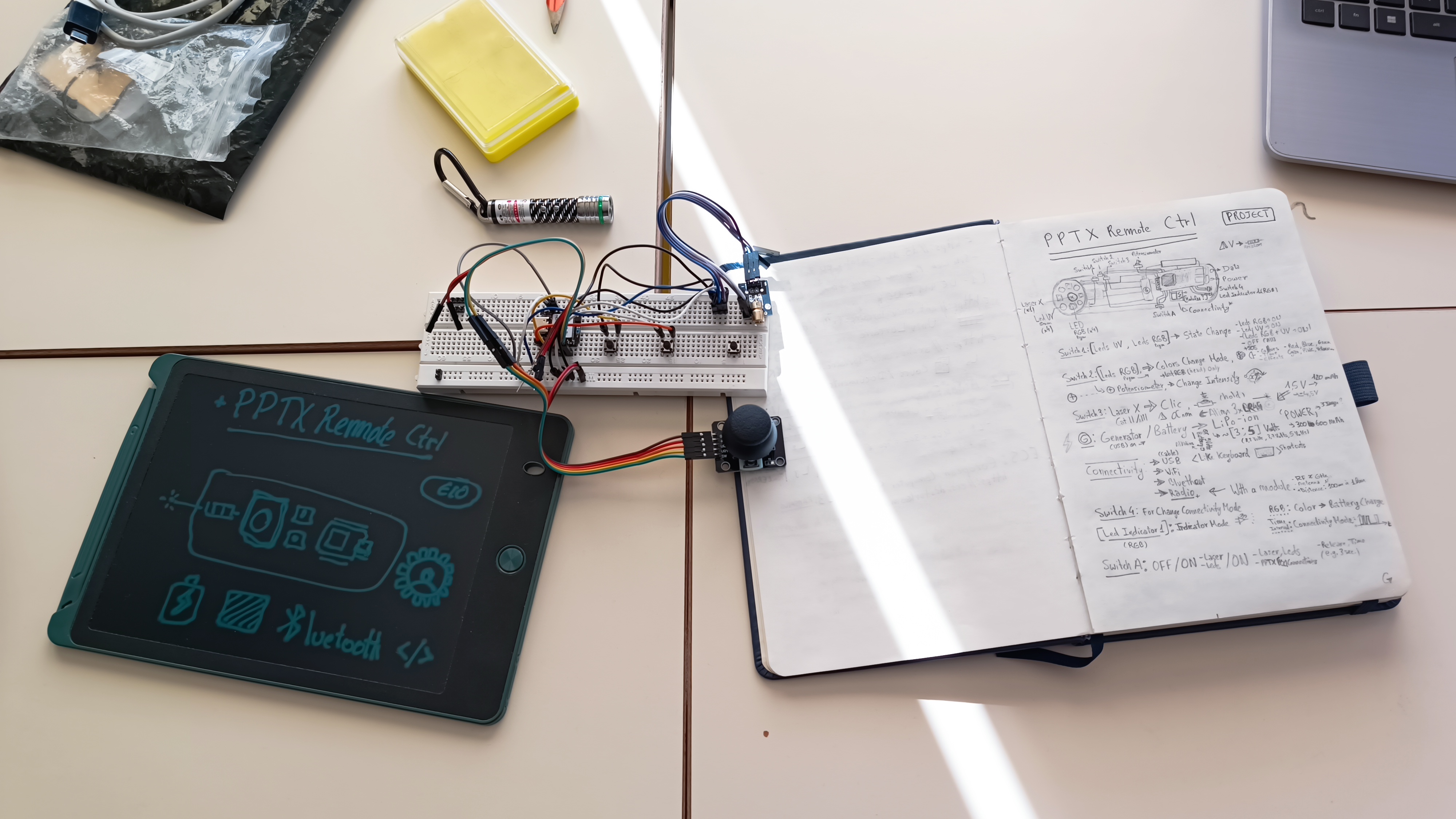
The PPTX Remote Control is an autonomous electronic device engineered to streamline presentation delivery without heavy reliance on traditional user-interface peripherals.
By moving controls off computers and into a single ergonomic object, it helps educators, speakers, and students focus on audience interaction over technical mechanics.
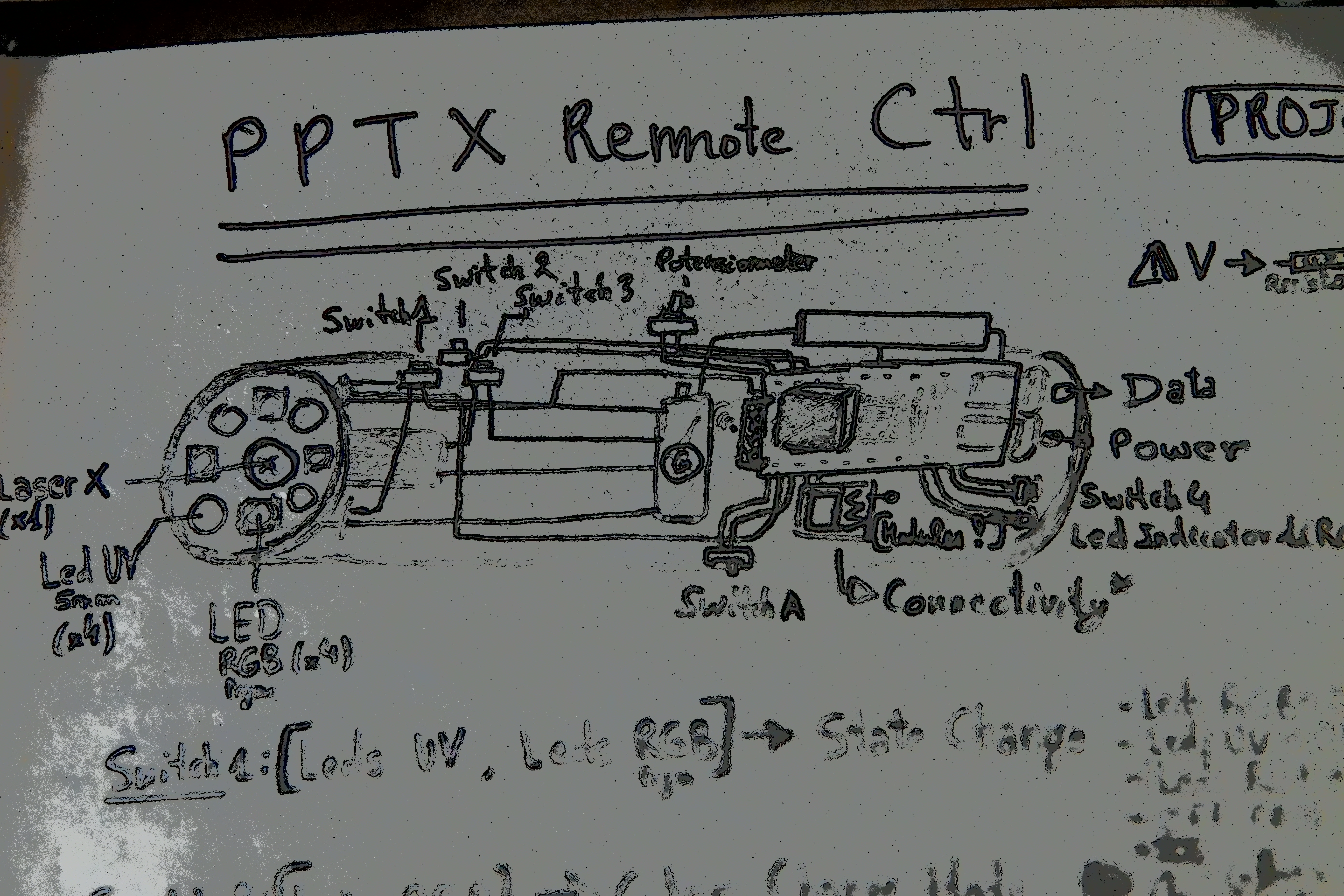
Implements continuous 2-axis sliding control for fluid slide backward/forward motions and digital document panning.
Decodes physical wrist gestures in space via an I2C spatial motion block into smooth, on-screen pointer trajectories.
Combines a built-in hardware low-draw physical laser with software virtual display highlighting hooks.
"True technology must lower barriers, not construct them."
Simplifies microcomputer interactions for users facing physical motor control constraints, reducing complex multi-key inputs to centralized ergonomic gestures.
The driverless architecture guarantees immediate use across diverse educational settings, preventing isolation induced by configuration requirements.
| Architecture: | ARM Cortex-M4F (32-bit with hardware FPU) @ 64 MHz |
| Memory Layer: | 1 MB Internal Flash | 256 KB RAM | 2 MB QSPI Flash |
| Protocols: | Native USB 2.0 | BLE 5.0 (Ultra-Low Draw) |
| Onboard Blocks: | 6-DOF IMU Sensor (LSM6DS3TR-C) for 3D Motion |
Leverages hardware registers to limit standby current draw below 5 microamps, optimizing energy retention.
Isolates functional components into separate pathways. Avoids resin bonding or glued modules to allow simple component replacement.
Aims toward recycled outer casing filaments, localized internal PCB tracing revisions, and releasing detailed DIY build guides.
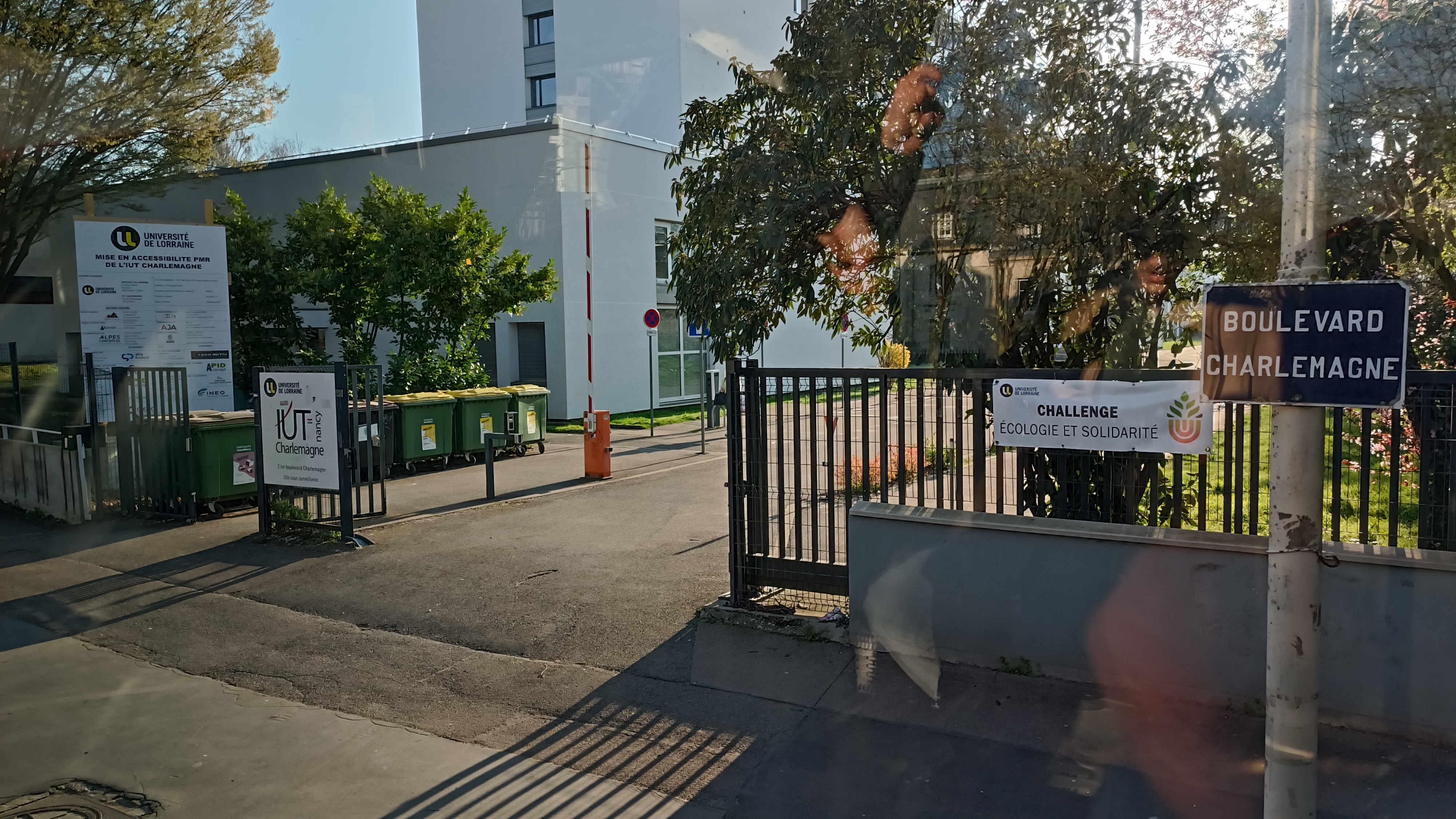
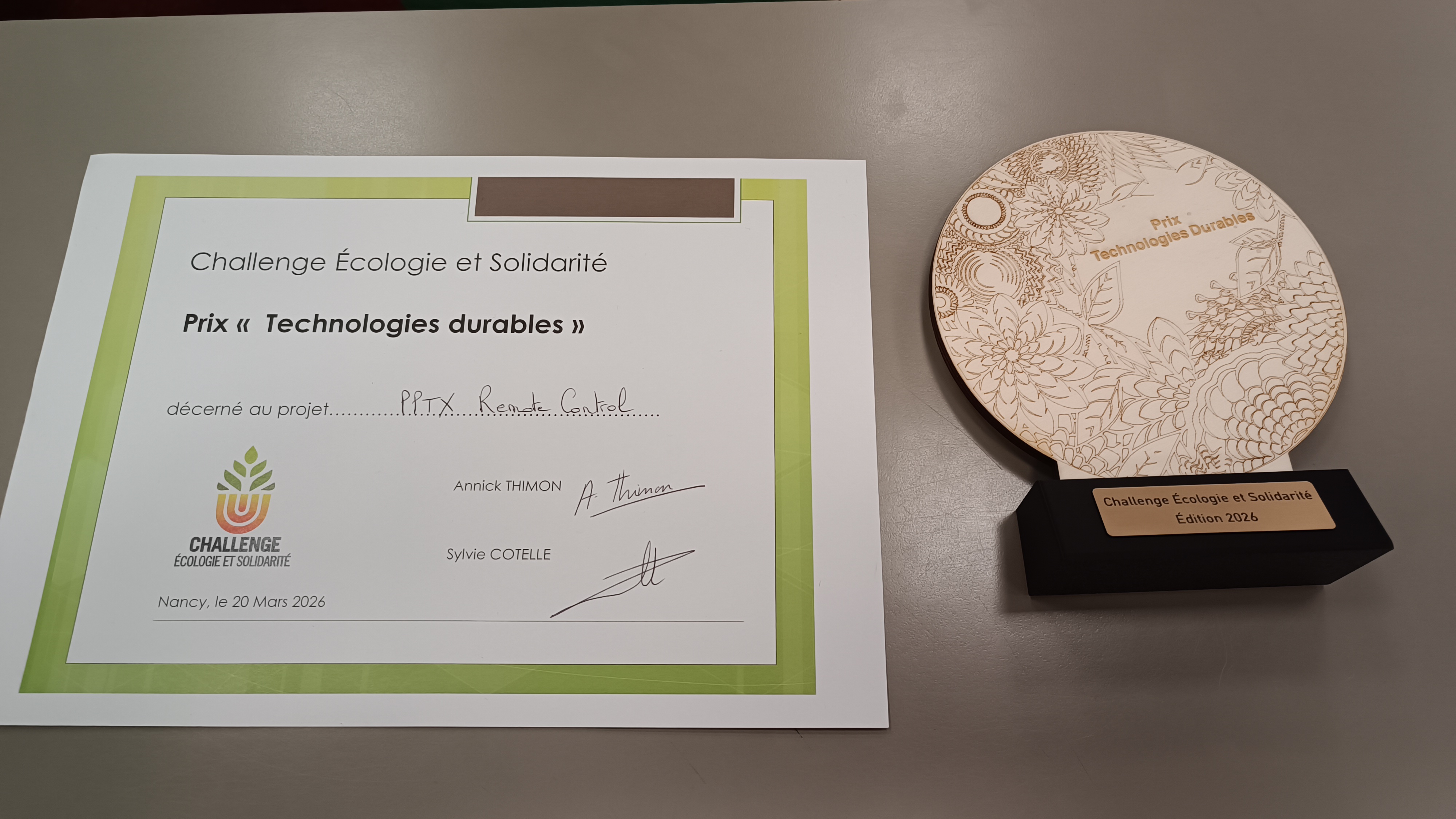
March 20, 2026 - Challenge Écologie et Solidarité, Université de Lorraine
" Awarded to Assem Hssini (L1 Computer Science, ISFATES) for developing a standalone interface tool that mitigates heavy auxiliary processing draw and promotes structural digital sobriety. "